





NBA 2K26 sets a new bar for basketball video games, and many fans and critics are asking whether it mirrors real-life hoops more closely than any previous edition. From player movement to crowd reaction, the presentation is meant to feel like a live broadcast. If you love stats, realistic pacing, and authentic team strategies, you may wonder how close this virtual experience comes to watching an actual NBA game, and indeed what that means for side interests tied to basketball fandom.
Real NBA Games vs. NBA 2K26: What About Wagering?
The experience of the NBA isn’t just about watching the game for many basketball enthusiasts; it’s also about engaging with outcomes in ways that matter to them. An example is wagering on real NBA contests. Wagering on actual NBA games through legitimate sportsbooks offers real stakes and real consequences. Some platforms, like licensed operations and newer options such as crypto sites, provide a range of markets, like point spreads and player props. A benefit of these kinds of wagering sites is faster transaction times and sometimes lower fees when moving funds in and out. This does, however, vary by platform and jurisdiction.
When you compare that to NBA 2K26, there isn’t a widespread system for wagering on individual video game results in a similarly structured way. Some community tournaments or informal player wagers do occur. However, they don’t typically resemble regulated markets that are tied to real teams, stats, and official league schedules. There’s a clear boundary, then, between the virtual simulation and organized professional competition.
Visuals and Presentation: Television Feel vs. Real Broadcast
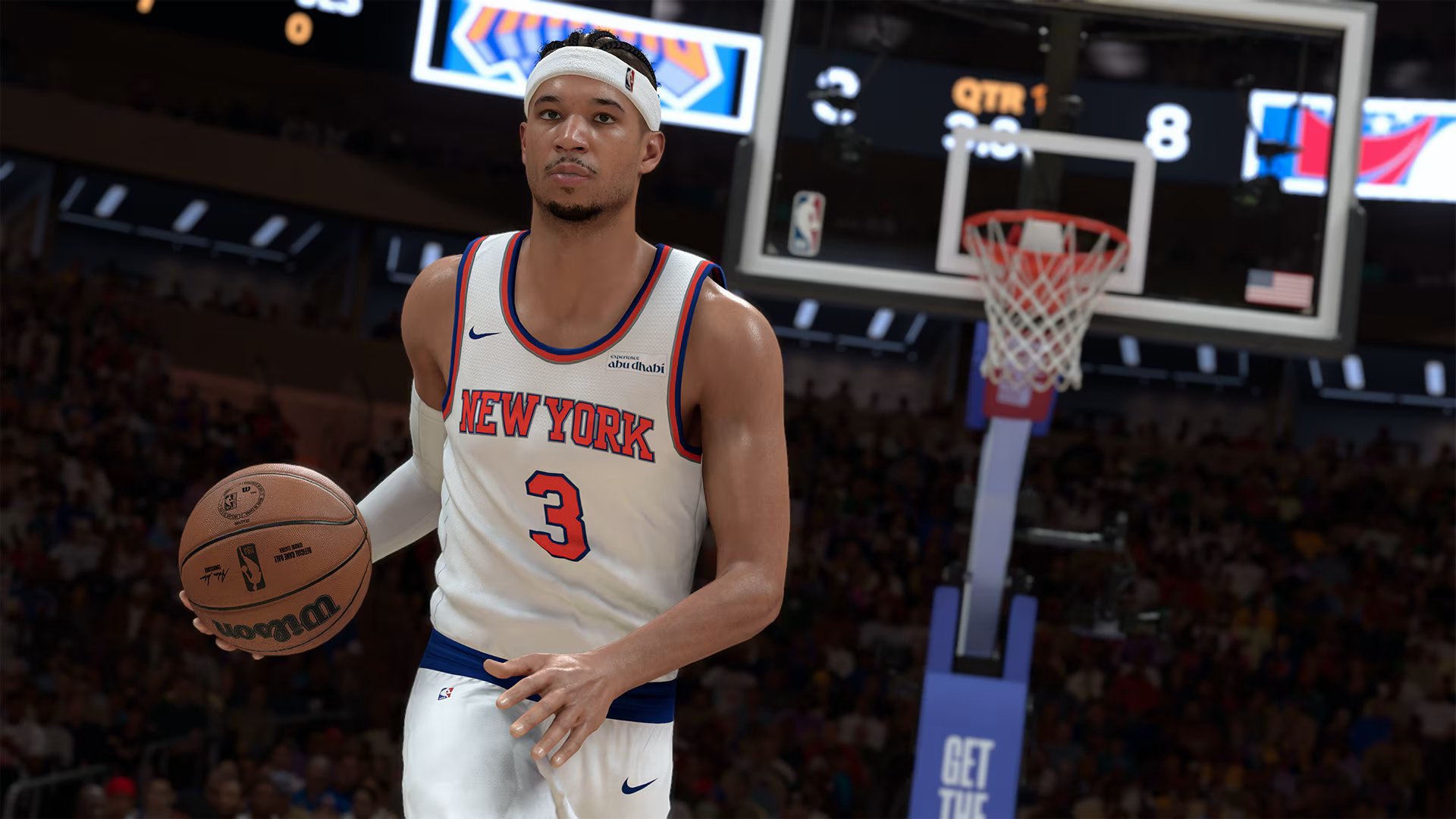
NBA 2K26 delivers visuals that rival modern sports broadcasts. Player scans are more detailed, arena lighting adjusts dynamically, and broadcast overlays closely resemble what fans see on national TV. Camera angles shift naturally during play, and replays arrive with timing that feels authentic rather than scripted.
That said, real NBA broadcasts evolve in real time. Camerawork reacts to emotion, storylines, and crowd behavior as they happen. NBA 2K26 recreates the look convincingly, but it’s still a controlled presentation rather than a live production responding to unpredictable moments.
Player Movement and Physics: Simulation vs. Human Action
One of the most noticeable upgrades in NBA 2K26 is how players move. Dribble animations are more clearly different between stars, footwork feels tighter, and finishes at the rim are reflective of individual tendencies. Defensive positioning, screens, and ball movement all feel a lot more responsive and deliberate than in the game’s earlier entries.
Still, the game operates within defined animation systems. Real players improvise constantly, sometimes making split-second decisions that break patterns entirely. NBA 2K26 captures many of those possibilities, but it can’t fully recreate the spontaneous creativity of human athletes reacting in real time.
Strategy and Coaching: AI Schemes vs. Human Decision-Making
Team strategy in NBA 2K26, too, has taken a significant step forward. AI-controlled teams run recognizable offensive sets, adjust defensive coverage, and make the kinds of substitutions that align with real-world tendencies. This adds weight to matchups, and it helps different teams feel distinct.
In the NBA, coaching decisions are influenced by momentum and emotional nuances that are difficult to encode fully. While NBA 2K26 offers a convincing strategic structure, it does still follow programmed logic and not the kind of instinctive judgment that is built from years of experience.
Audio and Crowd Ambience: Simulated Energy vs. Live Atmosphere
Sound design plays a major role in NBA 2K26’s realism. Crowd reactions swell appropriately, sneakers cut sharply across the court, and commentary adjusts to scoring runs and late-game pressure. These elements work together to create a convincing arena atmosphere.
Even so, real NBA crowds bring an edge that can’t be fully predicted or repeated. The sudden roar after a momentum-shifting dunk or the tension of a quiet free-throw moment carries a volatility that simulations can only approximate.
AI Competitors and Multiplayer: Human vs. Human
NBA 2K26 often feels its most authentic when it is played against other people. Online matches introduce unpredictability and emotional swings that closely remind players of competitive basketball. Human opponents adapt and exploit momentum in ways AI rarely matches.
That being said, the stakes are still different. NBA 2K26 competition centers on entertainment and pride, while real NBA games carry broader significance tied to standings, contracts, and history. The game mirrors the flow and structure of basketball remarkably well, but it exists within a digital space where consequences remain virtual.