






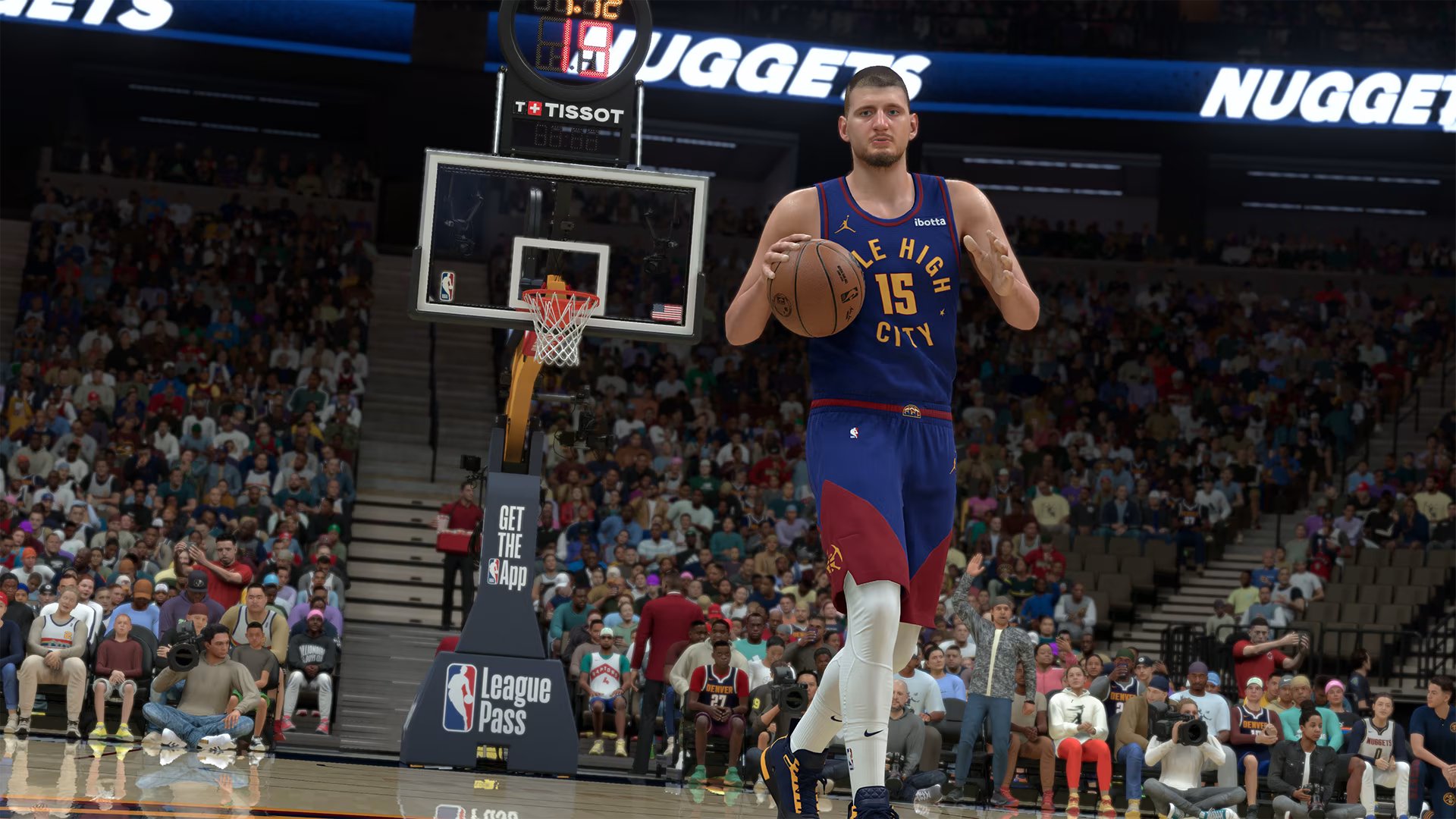
NBA 2K26 ratings are more than a list of numbers. Once you understand what sits behind the data, you can use these figures to read pace, shot selection, and matchups when you watch NBA games. This article explains how NBA 2K26 ratings relate to NBA performance and gives you a way to connect what you see in-game with what shows up in the box score.
What NBA 2K26 Ratings Are Really Measuring
Every overall in NBA 2K26 is built from separate attributes for shooting, finishing, defense, athleticism, playmaking, and more. The overall tells you roughly where a player sits in the league, but the attribute mix shows how they are likely to play: a 92 overall guard with elite three-point and ball-handling ratings is a very different threat from a 92 overall big built on strength and rebounding.
During the season, the dev team typically adjusts ratings when clear changes in efficiency, role, and usage show up in the data and on film. You can see that process on an updated NBA 2K26 player ratings tracker, where overalls and key attributes move after hot streaks, new roles, and long slumps, and a bump in three point rating usually reflects several weeks of better volume and percentage.
Probability, Streaks, And What Ratings Teach You
Seeing ratings as a living model also helps you understand probability. In NBA 2K6, a 93 three-point rating or a top-tier shooting badge does not mean every open look drops. Over a long stretch, that player should hit more often than an average shooter, but short streaks of makes and misses will still appear. When you brick open shots with a star, then hit four in a row, you are feeling variance around a stable skill level, rather than pure randomness. The same idea shows up whenever numbers are used to describe chance, from projected shooting percentages to the estimated chances that one team will come out on top in a close matchup.
You see a similar structure in other interactive games where odds are built into the design. On sites like sites like this, the rules and layouts make it clear that each spin or hand is a fresh event shaped by probability, not by “momentum” or a lucky run that must continue. People who understand that structure tend to treat short sessions as entertainment and set natural limits on how long they play. In that sense, platforms like Cafe Casino show how clear interfaces and simple rules can help you respect randomness, keep your time under control, and stay focused on enjoying the experience.
That mindset of limits also matters when you look at sports odds around NBA games. Lines, totals, and percentages are not guarantees; they are snapshots of expectations built from data that can still be wrong on any given night. When you think about them with the same attitude you bring to NBA 2K26 ratings, it becomes easier to see them as information you can learn from, rather than something to chase or argue with after every result.
Using Ratings To Read Real NBA Games
To use NBA 2K26 ratings while you watch the real thing, start by asking what the ratings say a player wants to do. A guard with high three point, off ball movement, and stamina ratings is built to run defenders through screens and shoot from deep. A big with strong interior defense and defensive rebound ratings is built to control the paint. When you watch those players in real games, look for those patterns: where they catch the ball, which shots they hunt, and which matchups coaches try to create or avoid.
You can apply the same lens on defense. If a forward has strong perimeter defense and lateral quickness in game, you already know they can switch onto guards without getting blown by. In a real game, notice how often that player takes the toughest assignment or slides across multiple positions. Ratings give you a scouting report so you can track how closely a team’s game plan follows each player’s strengths.
Simple Routine For Comparing Ratings To Box Scores
To tie everything together, build one quick habit after you have watched a game:
- Pick 1 or 2 players who stood out.
- Look up their current NBA 2K26 attributes and badges, focusing on shooting, defense, and stamina.
- Compare those ratings to the last 5 to 10 games of basic stats: field goal percentage, three point percentage, minutes, and either rebounds or assists.
Over time, clear patterns appear. A wing with elite perimeter defense and strength ratings may average modest points, but their matchup’s shooting percentage dips whenever they are the primary defender, and lineups with a high playmaking guard often move the ball better and turn it over less.