






I remember watching a friend put down his controller after what looked like a long, frustrating session. He sighed, shook his head, and said he had “got nowhere”. Then, without thinking, he reeled off everything he had unlocked in the past hour. New gear. A couple of cosmetic upgrades. Progress bars nudged forward. A small badge he had not noticed he had earned. By any reasonable measure, he had been moving constantly. He just had not crossed the finish line he thought mattered.
That moment stayed with me because it captures something fundamental about modern games. They are no longer built around winning alone. They are built around the sensation of progress. The feeling that something is happening, even when the final outcome remains distant. Victory is often delayed deliberately. Satisfaction is not.
Spend time with contemporary games, whether on consoles, mobile devices or online platforms, and a pattern emerges. Rewards arrive early. Feedback is frequent. Small moments of success are scattered throughout the experience. You are nudged forward gently, reassured constantly, even when you have not technically achieved very much at all.
This design philosophy has quietly reshaped how people interact with games. It is no longer about reaching the end as quickly as possible. It is about staying engaged. Feeling involved. Feeling close. The same psychology appears across different forms of entertainment, from video games to digital platforms, and even in how people talk about probability and chance when they choose to play new online games, where anticipation and near misses often matter more than the final outcome itself.
The Rise of the Almost Moment
Modern games are full of “almost” moments. Almost levelling up. Almost unlocking something rare. Almost beating a difficult section. These moments are not accidental. They are carefully placed to keep players emotionally invested.
Older games were often brutal. You either succeeded or you failed. There was little cushioning in between. Today’s games soften the edges. They offer consolation prizes. Partial progress. Clear signs that effort is being registered, even if mastery has not yet arrived.
I have felt this myself while playing games I know I am not especially good at. Despite repeated failure, I rarely feel dismissed. Instead, I am encouraged. The game quietly tells me I am improving, even when my performance suggests otherwise. That reassurance keeps me playing longer than I might otherwise choose.
Why Progress Feels Better Than Winning
Winning is definitive. It ends something. Progress does the opposite. It keeps things open. Designers understand this instinctively now. A game that ends too cleanly risks being put down. A game that always promises more remains alive in the mind.
Progress bars, experience points and unlock trees are not there simply to organize content. They are emotional tools. They give shape to effort. They translate time spent into visible movement. Even a small shift forward feels like validation.
This is why people often remember how a game made them feel rather than whether they actually finished it. The journey matters because it is engineered to matter.
The Psychology Behind the Simulation
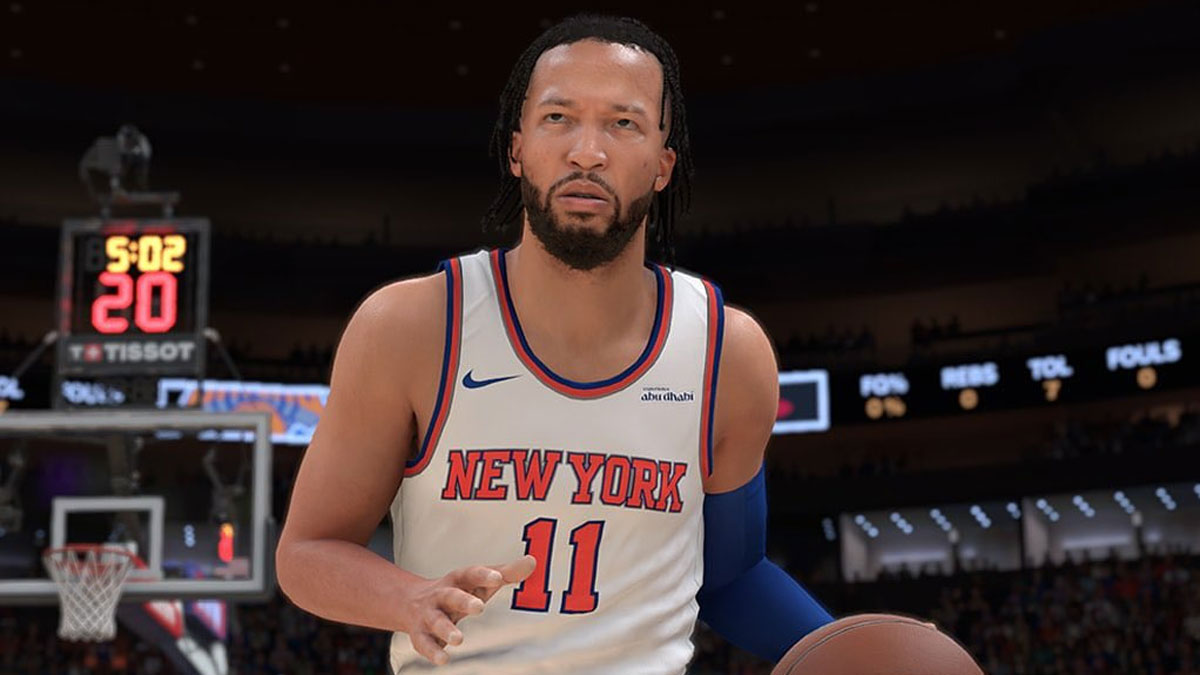
There is a quiet sophistication behind these systems. Games simulate momentum. They create the impression of forward motion even when outcomes remain uncertain. That simulation of success taps into deeply human instincts. That is why you continuously update your NBA 2K26 profiles, it’s an instinct to tap into the simulation of rewards further.
We like to feel capable. We like to feel that effort counts. We like feedback. Modern games provide all three with remarkable consistency. They reduce the emotional risk of failure while preserving the motivation to continue.
This does not mean players are being tricked in a crude sense. It means experiences are being shaped with greater psychological awareness than ever before.
When Winning Becomes Secondary
One of the more interesting consequences of this shift is that winning itself has become less central. Many players no longer rush to complete games. They linger. They explore side paths. They chase smaller achievements that were once considered distractions.
I have spoken to players who cannot remember the last time they finished a game, yet speak fondly of dozens they have spent hours inside. Completion is optional. Engagement is not.
This change mirrors broader cultural trends. We are increasingly comfortable with experiences that do not resolve neatly. Games reflect that preference by rewarding presence rather than conclusion.
The Quiet Power of Familiar Systems
Once you notice these patterns, you see them everywhere. Daily rewards. Streaks. Challenges that reset just as you complete them. These systems are not aggressive. They are patient.
They invite you back without demanding that you conquer anything in particular. They respect the fact that people want to feel successful without necessarily being tested to exhaustion.
This approach explains why modern games can feel strangely comforting, even when they are competitive. They offer structure without pressure. Progress without finality.
Why This Matters Beyond Gaming
These design choices matter because they shape expectations. People become accustomed to environments that reward effort immediately and continuously. That expectation does not stop when the game ends.
Understanding how games simulate winning helps explain why they remain so compelling. They meet emotional needs subtly, consistently, and without judgement.
Games no longer wait for you to win before they make you feel successful. They make success feel present from the very beginning. And once you recognize that, it becomes clear why stepping away can feel harder than expected. Modern games are not simply about victory. They are about reassurance. About momentum. About the promise that you are always closer than you think.