





Esports Is No Longer Just Gaming
Video games aren’t a hobby you “outgrow” anymore. They’re a spectator sport now—one with jerseys, coaches, scouting, sponsors, and prize pools that make people outside the scene do a double-take.
If you’ve ever watched a crowd lose its mind over a clutch play in overtime, you already understand the appeal. The only difference is the arena might be a stadium in Seoul… or your phone on a Tuesday night.
That’s why the phrase ESports Battle fits so well. It’s not marketing fluff. At the top level, these matches feel like a real contest: preparation, momentum swings, mental collapse, and those short windows where one decision wins the whole series.
And once you see it that way, the wagering side makes more sense too. Esports sportsbook wagering isn’t just “random gaming wagers.” It’s people trying to read form, psychology, and matchups—same instinct as traditional sports, just applied to a different kind of competition.
What Is the Rise of Esports?
If you want the clean answer, the rise of esports started when gaming stopped being local.
Back in the early 2000s, a lot of competitive play still lived in LAN culture—friends, small events, and a handful of titles that rewarded raw mechanics. Then internet access improved, and suddenly your “best player in town” wasn’t the best anymore. He was just the best in his ZIP code.
From there, it snowballed. Games like StarCraft and Warcraft created communities that treated competition seriously. Then the modern era arrived—titles designed for organized play, with ranked ladders, patches, meta shifts, and ecosystems that didn’t depend on one physical location.
The real accelerant, though, wasn’t a game. It was streaming.
Twitch didn’t just broadcast tournaments—it turned everyday practice into content. You could watch pros grind for hours, learn the tiny habits that separate “good” from “elite,” and build attachment to players the same way fans follow athletes.
That’s when esports stopped being a niche scene and started behaving like an industry.
Today, the “professional” part is a full machine: leagues, tournaments, staff, production teams, analysts, and brand deals. Not to mention the fanbase that treats a playoff bracket like it’s the NBA.
What Is the #1 Esport in the World?
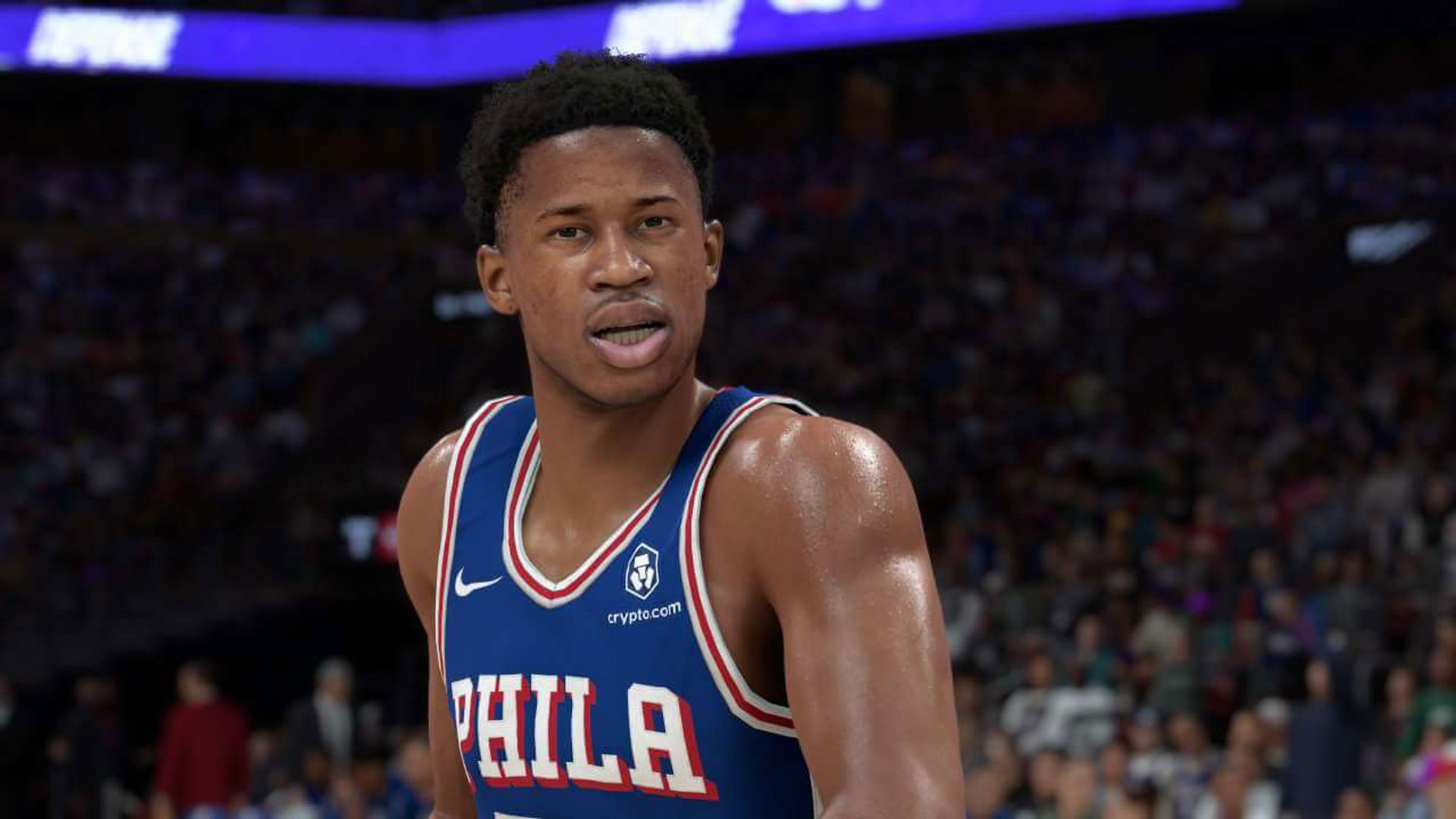
People will argue this one depending on what they watch. Some swear by FPS titles. Others live and breathe fighting games. And yes, an NBA esports battle in NBA 2K can absolutely draw attention—especially when it’s tied to real-world franchises and familiar storylines.
But if we’re talking pure global gravity—consistent viewership, infrastructure, and cultural footprint—League of Legends is still the standard.
It’s not just that LoL is popular. It’s that LoL is built to be watched. Drafts create tension before the match even starts. The mid-game becomes a chess match. One mistake at Baron, one greedy push, and the whole series flips. That “anything can happen” feeling is what keeps audiences locked in.
This is also why LoL is one of the most active scenes for esports battle wagering. In a game where tempo, team comps, and confidence matter so much, markets like series winner, map totals, first objectives, and live lines can move fast. If you’re into esports sportsbook wagering, LoL is usually where the volume is.
And from a wagering perspective, LoL is also a reminder that “the better team” doesn’t always win. Sometimes the better team drafts badly. Sometimes they tilt. Sometimes they walk into a fight they didn’t need. That’s esports.
Gaming enthusiasts are always looking for the best odds and the most competitive markets, and the BetUS platform has earned a place among wagerers by offering a wide range of markets for esports wagering.
What Will Esports Look Like in 5 Years?
It’s going to look more normal—and more powerful at the same time. “More normal” because the industry is slowly standardizing: better player contracts, clearer league structures, more sustainable tournament calendars, and less of the chaotic boom-and-bust energy that used to define esports.
“More powerful” because the audience isn’t shrinking. If anything, it’s widening. Younger fans don’t treat esports as “alternative entertainment.” It’s just entertainment. The barrier to entry is low: you can watch from anywhere, follow a team without living near a stadium, and get obsessed without spending a dime.
Five years from now, expect more crossover with traditional sports brands, more localized events, and more hybrid content that blends influencers with competitive teams.
Wagering will grow too—not only because sportsbooks will add more markets, but because fans are already trained to think analytically about matchups. Esports battle wagering is basically a byproduct of fandom becoming more data-aware.
One warning, though: the scene will keep changing fast. Patches reshape metas. New games rise. Old ones fade. That volatility is part of what makes esports exciting—and part of what makes it dangerous if you treat wagering like a shortcut to easy money.
But if you approach it like a fan first—watch, learn, understand the rhythm of teams—then an ESports Battle stops feeling like a random digital brawl and starts feeling like what it really is: high-level competition, under bright lights, with pressure that’s very real.