

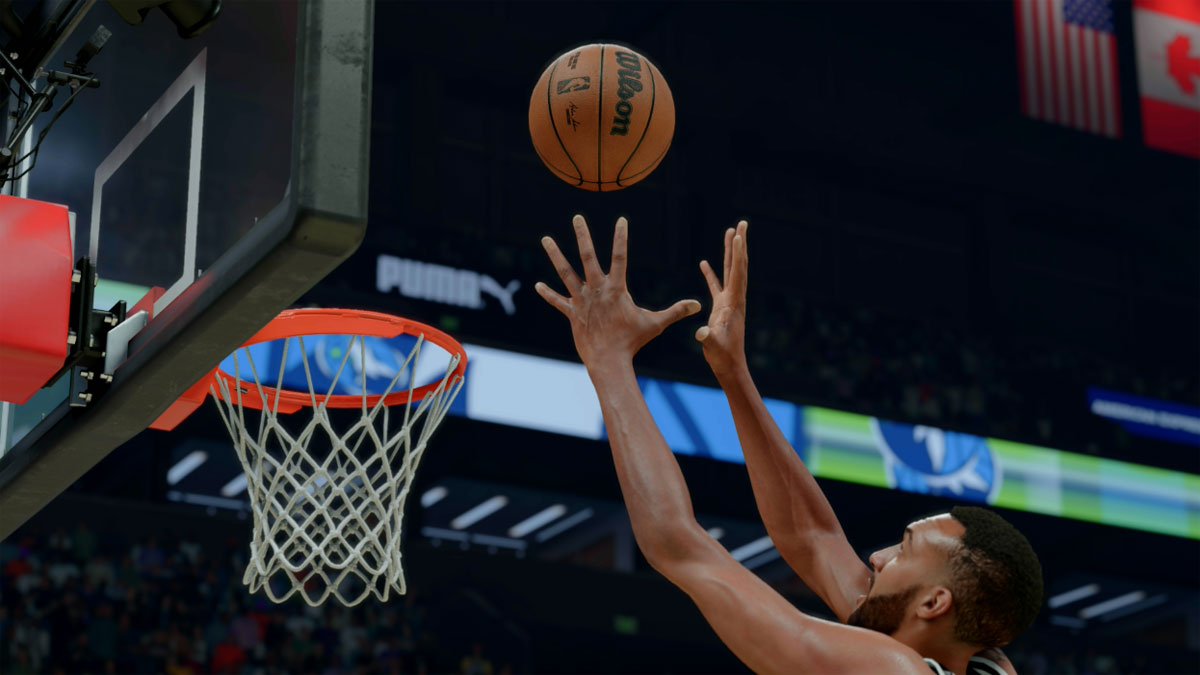
Rebounding in both real basketball and NBA 2K26 comes down to positioning, anticipation, timing, and tenacity – along with the physical attributes of size and strength. Whether you’re a veteran player or a beginner, these NBA 2K26 rebounding tips will help you secure more boards, win position battles, and control the paint. Follow these step-by-step strategies to box out, use your strength, read shot trajectories, and grab every rebound like a pro.
Learn the Basic Controls to Rebounding
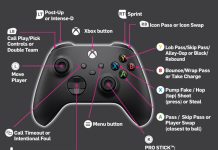
Learning all of the rebounding controls in NBA 2K26 is step #1 to becoming a GOAT rebounder. Here they are below:
| ACTION | PS5 | XBOX SERIES X/S |
|---|---|---|
| Rebound | Press Triangle after the ball hits the rim when a shot is missed | Press Y after the ball hits the rim when a shot is missed |
| Box Out Opponent | Hold L2 when near an opponent after the ball has been shot. Use LS to engage and stay in front of your opponent | Hold LT when near an opponent after the ball has been shot. Use LS to engage and stay in front of your opponent |
| Putback | Press Square when attempting an offensive rebound | Press X when attempting an offensive rebound |
| Swim Move | Press LS left or right when you are being boxed out to attempt a swim move around the player boxing you out | Press LS left or right when you are being boxed out to attempt a swim move around the player boxing you out |
| Dive For Loose Ball | Repeatedly press Square while chasing down a loose ball | Repeatedly press X while chasing down a loose ball |
Use 2K Camera Angle

Every camera angle has its pros and cons, but 2K Cam is the best for tracking the ball’s trajectory and understanding different angles for rebounding. Use the default 2K Cam settings for optimal vision of the ball.
Create a Rebounding Build with Rebounding Badges
Create a build focused on rebounding. Equip key badges like Rebound Chaser and Boxout Beast. Boost rebounding attributes – Offensive Rebound and Defensive Rebound should be at least 80. Also, prioritize Strength and Vertical, and increase physical attributes such as Height and Wingspan to dominate the boards.
Change Controller Settings

Go to Controller Settings and set Boxout Assist Strength to “0.” This gives you more control and quicker responsiveness over boxouts, rewarding skilled players who maintain proper positioning.
Gain Inside Position, Box Out, & Assume It’s a Miss
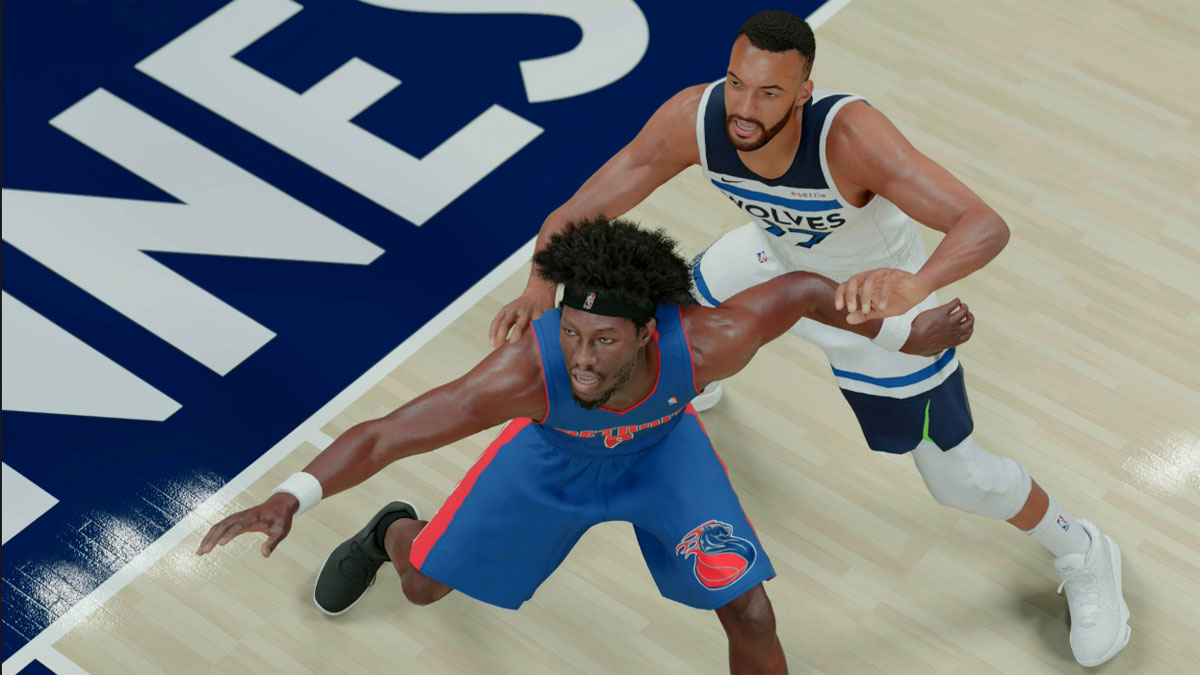
The best way to secure a rebound is to get inside position by boxing out by pressing the Left Trigger to place yourself between your opponent and the hoop. Focus on the opponent’s best rebounder, usually a big man, rather than shorter players. Great rebounders don’t rely solely on size or jumping ability, they read the court, fight for position, and constantly play the angles.
Also assume that every shot is a miss. By expecting a rebound every time, you stay alert and ready to grab it.
Focus on the Trajectory of the Ball
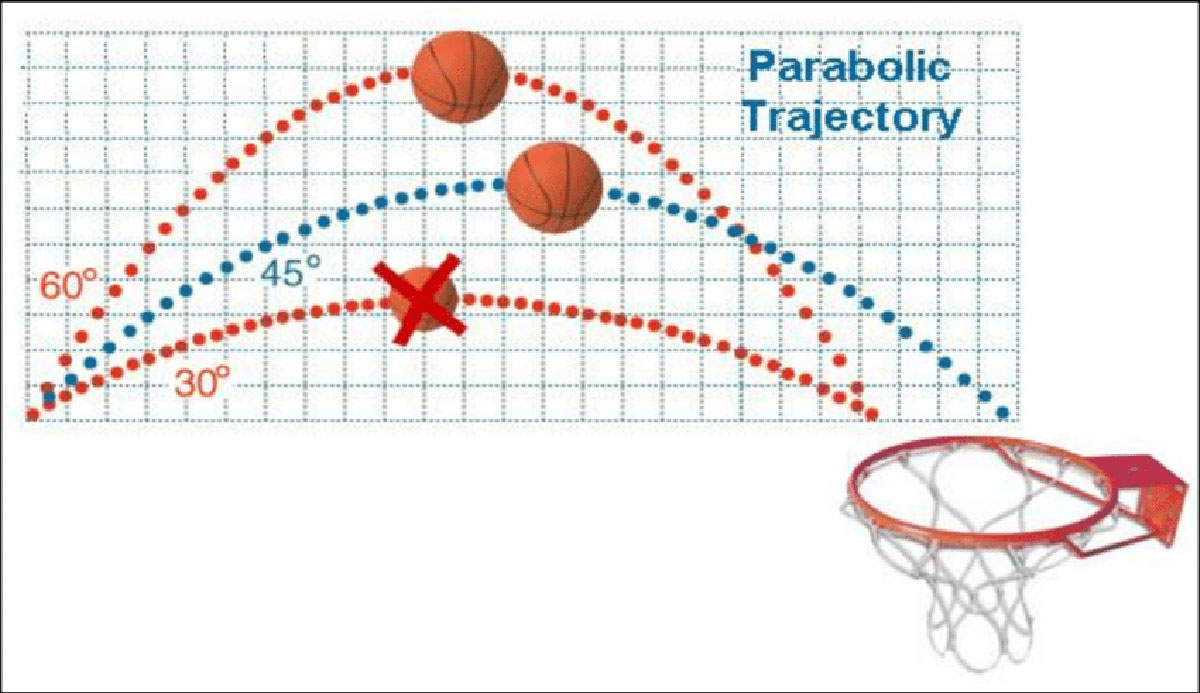
Another component that makes a good rebounder is being able to predict where the ball will go after it hits the rim or backboard. Make sure to watch the shooter’s shot: high-arc shots (45–55° mid-range, 50–60° three-pointers) land softer and usually create shorter, easier-to-grab rebounds. Low-arc shots travel flatter and can bounce farther or in unpredictable directions.
Pay attention to where the ball hits the rim. Shots that hit the front of the rim usually come back toward the shooter, back rim hits bounce toward the baseline, and side rim hits go sideways. Backboard shots follow a simple rule: the angle they hit is roughly the angle they leave.
Time the Rebound
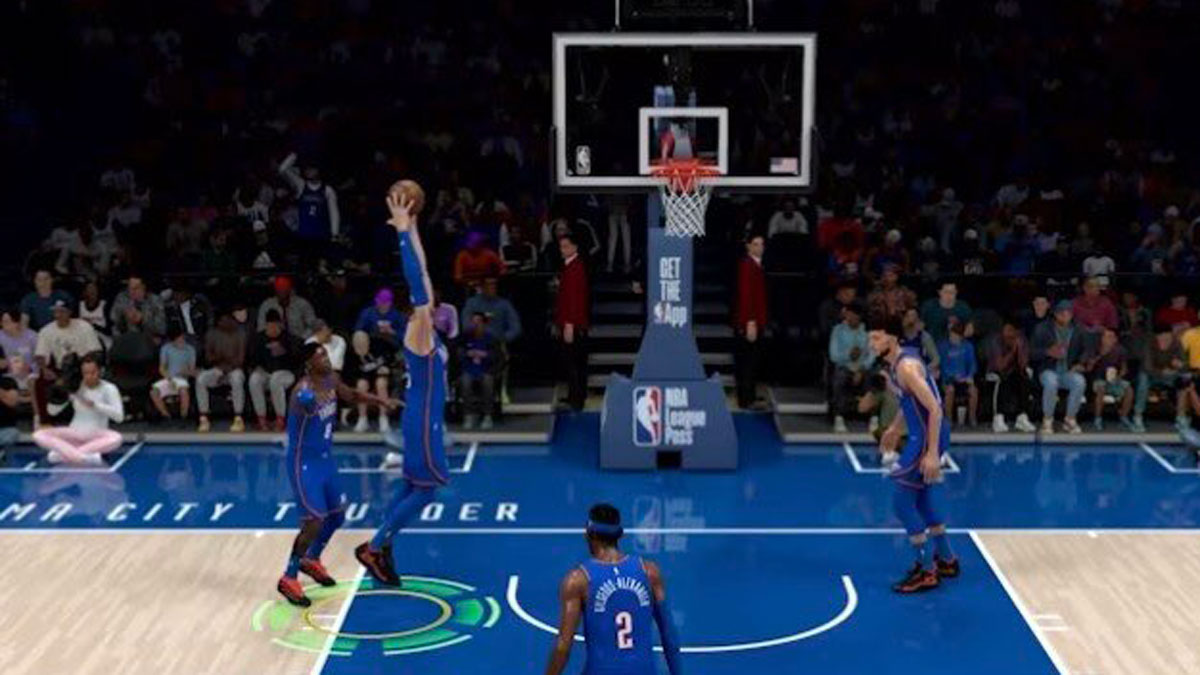
In NBA 2K26, the core mechanics around how rebounding works isn’t changing in 2K26, but a new green meter will flash beneath your player’s feet to indicate a well-timed rebound attempt. The ideal time to jump for a rebound is just before the ball makes its final bounce off the rim, and higher rebounding attribute ratings will make it easier to nail your timing. Excellent timing can significantly boost your chances of securing the board.
Here is what NBA 2K’s Mike Wang said about it: “You can still grab a rebound if you don’t green the timing. And if a little player is trying to out rebound a big, excellent timing will often not be enough to secure the board. If the big makes zero effort and just stands there, the little guy will have a better chance with perfect timing though. If 2 players green the rebound timing, the outcome is decided by positioning, ratings, and height.”
Anticipate Everything & Be Tenacious
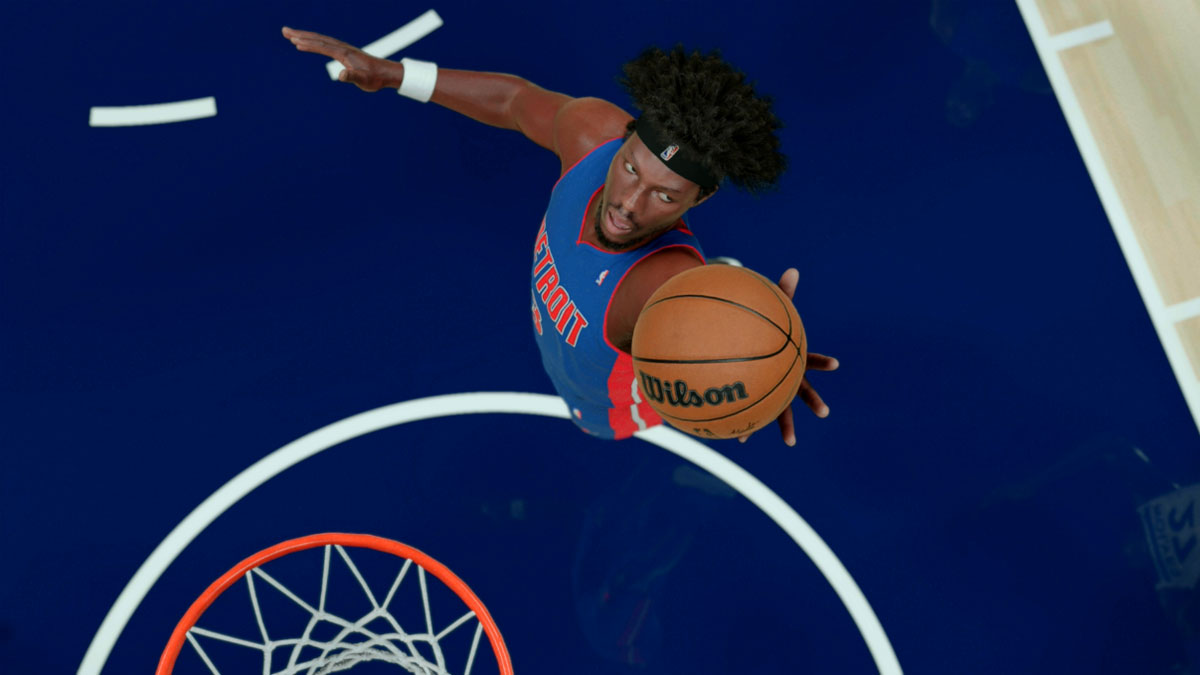
From tipoff onward, study your opponents’ tendencies. Anticipate where they will move, how fast they can reach a rebound, and when they will shoot. With practice, this instinct becomes second nature, giving you a “nose for the ball.”
Even if you miss some rebounds, stay relentless. Opponents should always worry about your presence on the offensive and defensive glass. Be tenacious, but defer to a teammate if they are better positioned. Ultimately, you got to want the ball more than the opponent.
Pay Attention to the Position of Your Teammates

Be mindful of your teammates’ positions. Ideally, stay on the opposite side of a teammate ready for the rebound. This ensures someone is positioned if the ball bounces left or right. If a teammate is close to the hoop, go a few feet back and to the opposite side to secure longer deflections. Don’t always assume a teammate will get the rebound.
Secure the Reb
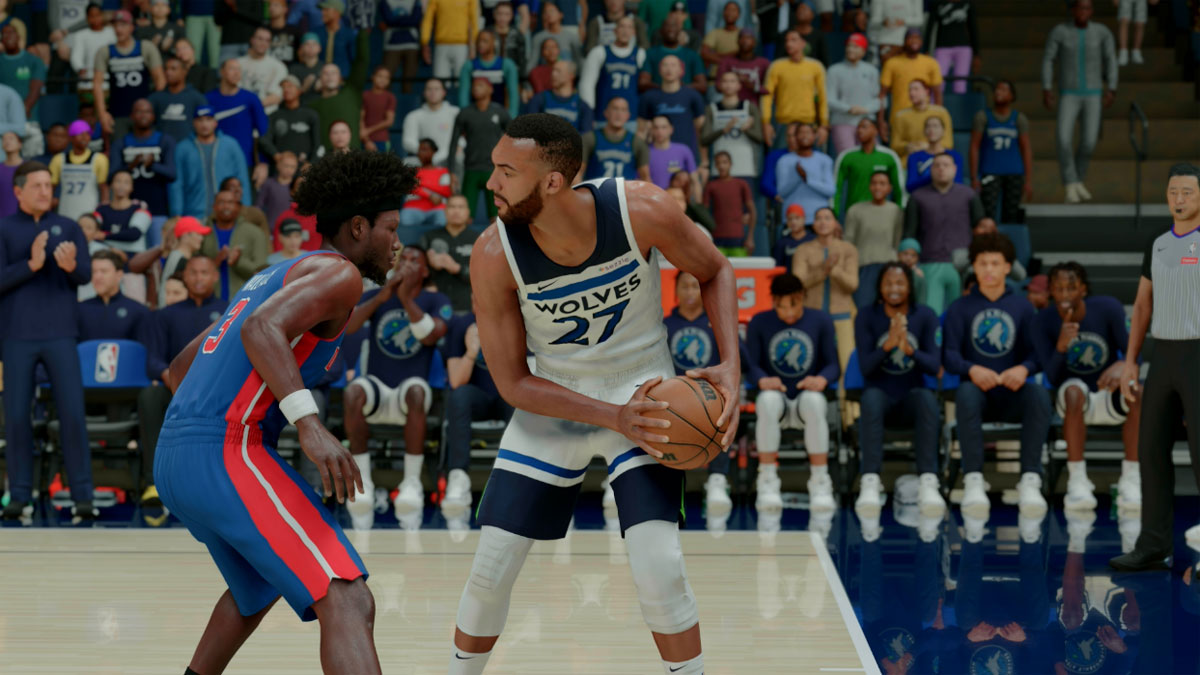
After grabbing a board, protect the ball. Opponents often attempt an immediate steal. Use patience, protect the ball, and employ pass fakes (B + Y / Triangle + O) to maintain possession.